HEAVY MACHINERY RENTAL

ROAD ENGINEERING PRECISION

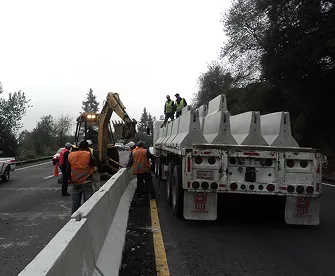
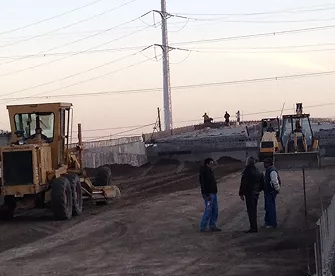
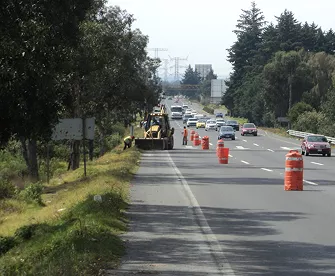
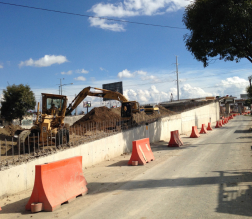
  • Construcción de Paso Superior Vehicular- Terracerías y Pavimentos.

HEAVY MACHINERY RENTAL

Equipment Rental

SALE OF HEAVY MACHINERY

Machinery Offers

EARTHWORK CONSTRUCTION CIVIL WORKS

Work Budgets
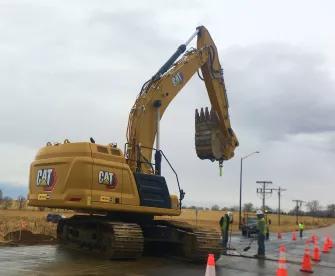
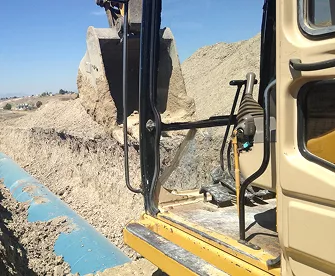
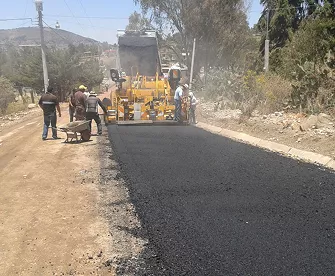
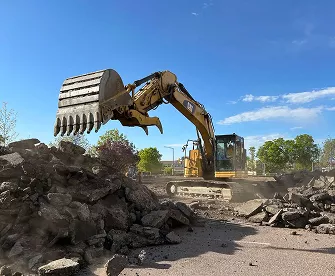
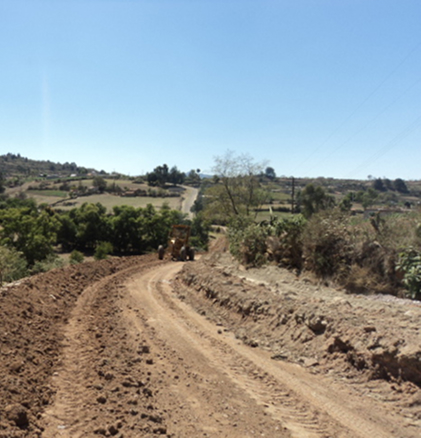
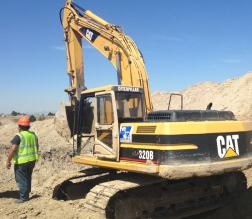
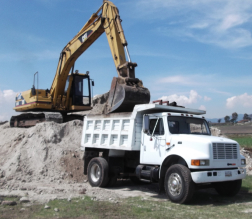
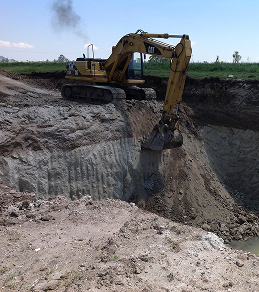
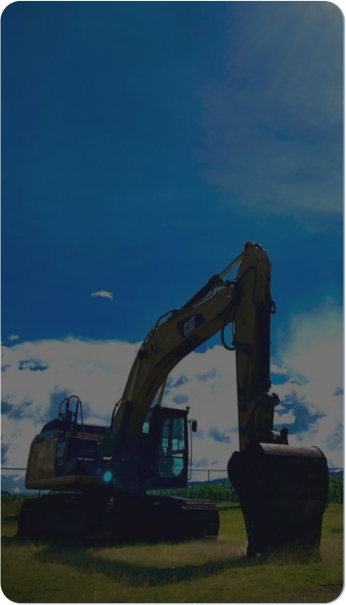
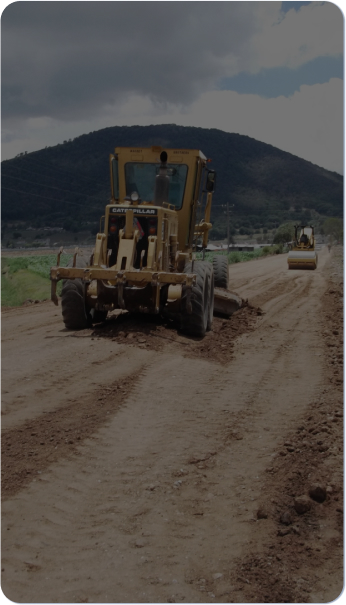
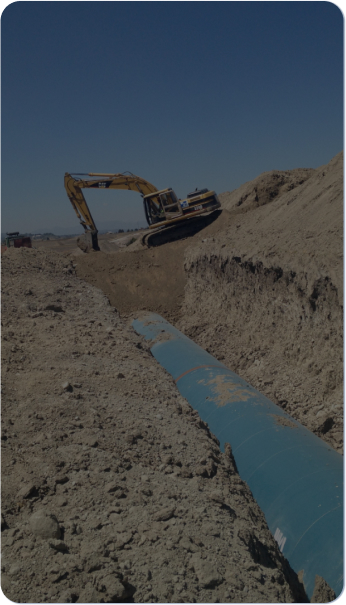
Construcción de terracerías, subbase y base hidráulica, en calles, caminos y carreteras.Construcción de base hidráulica en tramo carreteroExcavación, carga y acarreo de material de banco, con maquinaria pesada.Extracción de Material de banco por medios mecánicos, con excavadoras marca caterpillar.
OUR PURPOSE

LEASER
MACHINERY

Promote efficient construction through state-of-the-art equipment and machinery technology.

Use and operation of appropriate heavy machinery during the execution of construction processes.

Experience and knowledge for the generation of sustainable works that have a positive impact on society.
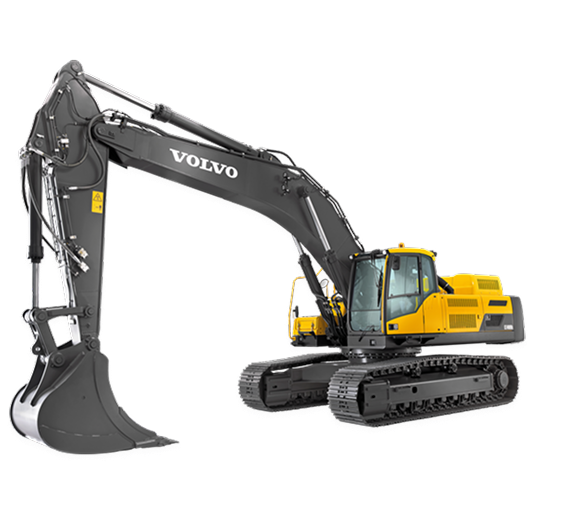
Excavadora marca Volvo - Construcción
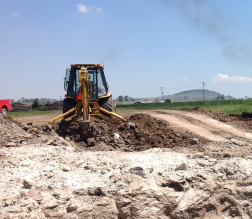
Imagen de agua Retroexcavadora- HASSIORENT
100%
HEAVY MACHINERY
WHO WE ARE

BUILDER'S DNA

We are a multidisciplinary team in the areas of Civil Engineering, Architecture and road works.

We believe in using construction equipment as a tool for precision and efficiency.

We make synergy in each project, we work in close communication for the fulfillment of the agreed scopes, during the execution of each construction or assigned work.
FREQUENTLY ASKED QUESTIONS

EARTH MOVING WITH MACHINERY

What safety regulations are used in the operation of machinery?
Safety regulations used in the operation of heavy machinery are based on international standards and national regulations aimed at preventing accidents and protecting workers. At the international level, key standards include ISO 45001:2018, which establishes requirements for occupational health and safety management systems; ISO 12100, which defines general principles for safe machinery design and risk assessment; ISO 20474, specific to earth-moving machinery; and OSHA 29 CFR 1926, applicable to the construction sector in the United States, which regulates operator training, signaling, inspections, and the use of personal protective equipment. In Mexico, the main provisions include NOM-004-STPS-1999, regarding protection systems and safety devices in machinery; NOM-006-STPS-2014, related to the handling and storage of materials; NOM-017-STPS-2008, which establishes guidelines for the use of personal protective equipment; and NOM-031-STPS-2011, focused on safety and health conditions in construction sites. Together, these regulations require operator training and certification, preventive maintenance, periodic inspections, proper signage, safety devices (such as ROPS and FOPS), and specific protocols to reduce risks of rollovers, entrapment, and collisions during machinery operation. Across the rest of Latin America, similar regulatory frameworks exist. In Colombia, Decree 1072 of 2015 establishes the Occupational Health and Safety Management System (SG-SST); in Chile, Law No. 16,744 on workplace accidents and occupational diseases regulates prevention and employer responsibility; in Peru, Law No. 29783 on Occupational Safety and Health and its regulations establish obligations for training and risk control; and in Argentina, Law 19,587 on Hygiene and Safety at Work sets conditions for the safe operation of machinery. These regulations across the region share common requirements such as risk assessment, mandatory training, technical supervision, and compliance with safety standards to reduce accident rates in construction and earth-moving operations.
How can environmental impact be mitigated through the use of heavy machinery?
It is essential to select efficient equipment suited to the type of soil and workload, prioritizing machinery with low-emission technologies and optimized fuel consumption. Constant preventive maintenance helps reduce pollutant emissions, oil leaks, and mechanical failures, while proper planning of routes and work areas minimizes unproductive time, unnecessary soil compaction, and land erosion. It is also important to implement dust control measures through controlled watering, establish safe fueling zones with containment systems, properly manage hazardous waste, and control noise and vibrations in sensitive areas. Finally, staff training, continuous environmental monitoring, and compliance with current regulations ensure safe and sustainable operations. The implementation of environmental management systems based on international standards, such as ISO 14001, strengthens continuous improvement and legal compliance, while the use of alternative fuels and biodegradable lubricants helps reduce the project’s ecological footprint.
How much do terrain and soil type influence the selection of machinery?
In any construction site project, it is one of the key factors to consider, as it influences safety, productivity, and soil stability. Considering the topography is also important, as it helps determine whether tracked equipment is required, as well as the necessary capacity, power, and types of maneuvers to be performed. It is always recommended to conduct a soil mechanics study to determine the soil composition (clay, gravel, rock, sand, or silt) before beginning the use of construction equipment.
What type of machinery is required for earthmoving?
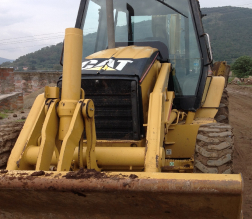
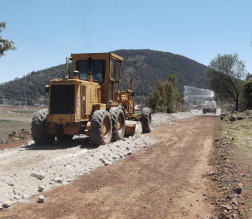
For earthmoving operations, specialized heavy machinery is required depending on the task, volume, and capacity needed. Among the most recommended equipment are the following: Excavation equipment: Excavators allow the movement of large volumes of material. Backhoe loaders are known for their versatility and are currently widely used in most rural and urban projects. Lastly, skid steer loaders are very useful in urban areas. Bulldozers or tractors are commonly used for moving and cutting large quantities of material, while motor graders (also known as road graders) level and shape the ground with precision across the different layers of earthworks. Compactors are used to compact the soil to meet both regulatory requirements and structural needs of the different layers, such as subgrade, subbase, and base, which form the structure of a roadway. Some manufacturers of heavy machinery include Caterpillar and CASE.
CONTACT

LET'S TALK ABOUT MACHINERY AND ENGINEERING